The cobblestone streets of Aix-en-Provence echo with more than just the footsteps of students and artists-they carry the weight of rising property values, shifting buyer expectations, and a deepening appetite for heritage-laden homes. It’s no longer just about charm or climate; it’s about scarcity. Authentic Provençal heritage-think vaulted ceilings, limestone walls, shaded courtyards-is finite, and demand from both French executives and international buyers is pushing prices into new territory. By 2026, the market isn’t just adjusting-it’s redefining what premium real estate means in one of France’s most coveted cities.
Aix en Provence Property Prices per Square Metre 2026: Market Overview
The luxury segment in Aix-en-Provence continues to demonstrate remarkable resilience, even as broader French markets experience volatility. While national trends show fluctuations, the high end here remains anchored by three core dynamics. First, land availability within the city limits and immediate surroundings is extremely limited-especially for properties that combine space, authenticity, and proximity to amenities. Second, there's sustained international interest in secondary residences, particularly from Northern Europe and North America, where buyers value both lifestyle and long-term asset stability. Third, Aix has quietly evolved into a technological and academic hub, drawing high-income professionals who expect refined living environments without leaving urban convenience behind.
Forecasting the evolution of luxury segments
This convergence of factors fuels consistent upward pressure on pricing, especially for renovated townhouses in the Mazarin district and fully restored bastides in the nearby hills. These aren't speculative flips-they’re carefully curated restorations that preserve architectural integrity while integrating modern comfort. For investors seeking stability and architectural beauty, acquiring prestige property in Aix-en-Provence remains a strategic choice in 2026. The appeal lies not only in aesthetics but in the enduring value of stone construction, private gardens, and historical significance-all of which contribute to lower depreciation and stronger resale potential compared to generic modern builds.
- Limited land availability: Urban expansion is restricted by protected zones and agricultural reserves, making existing plots highly sought after
- International demand: Buyers from the UK, Germany, and the US prioritize cultural richness and climate, often paying premiums for authenticity
- Local economic shift: Growth in tech startups, research institutes, and legal firms brings affluent residents who invest locally
These forces don’t operate in isolation. They compound, creating a feedback loop: higher demand → increased competition → faster sales → price adjustments. And because transactions in this tier are often discreet (off-market deals account for a significant share), public data may underrepresent actual market momentum.
Geographic Disparities: Where to Invest in the Pays d’Aix
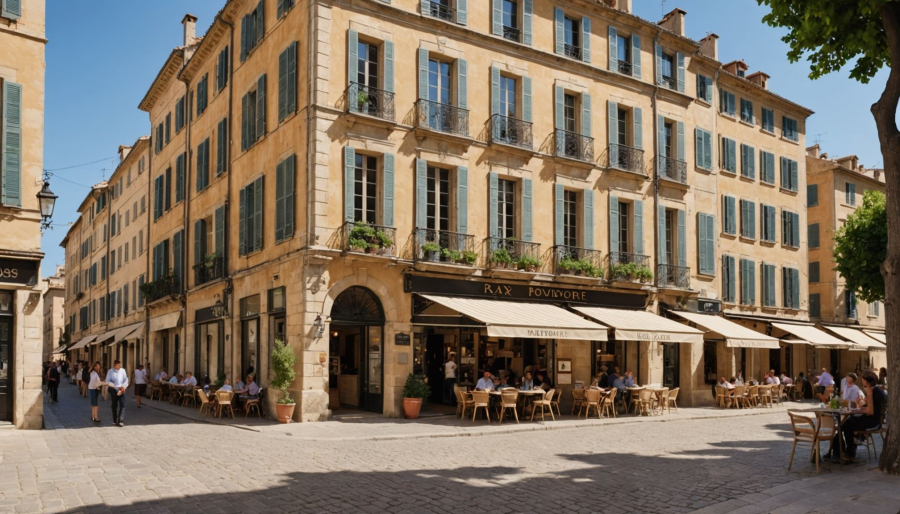
Not all square metres in the Aix region appreciate equally. Location remains the dominant variable, but the definition of “prime location” is expanding beyond the historic core. In the Mazarin quarter-the 17th-century extension of Aix known for its fountains, plane-tree alleys, and ochre façades-the average price per square metre for a well-restored apartment can exceed €6,000/m². These units rarely surpass 150 m², yet they command top dollar due to ambiance, walkability, and prestige.
The historic center vs. the surrounding countryside
In contrast, villages like Puyricard, Le Tholonet, or Fuveau offer access to larger estates at comparatively lower rates per square metre-typically between €4,000 and €5,200/m²-but with far greater total surface area, land, and privacy. A villa with pool and olive grove might cost more overall than a central apartment, but deliver better value per usable square metre and significantly more outdoor space. This makes them attractive to families, remote workers, and those prioritizing tranquility over centrality.
The trade-off? Accessibility. While the Mazarin district places you steps from cafés and galleries, rural properties require car use-but they also offer seclusion and direct contact with the Provençal landscape. Some buyers now adopt a hybrid strategy: a small pied-à-terre in town paired with a country retreat. This dual-ownership model reflects a deeper understanding of how lifestyle needs vary throughout the week.
Transport links matter, too. Proximity to the Aix-TGV station enhances appeal for frequent travelers, though its influence diminishes beyond a 15-minute radius. Still, being within reach of high-speed rail adds a subtle premium-especially for non-resident owners.
Price Benchmarks for Different Property Types in 2026
Understanding value across property categories requires looking beyond averages. The median price in Aix conceals wide disparities between standard housing stock and true luxury assets. An unrenovated two-bedroom apartment in a post-war building might sell for €3,800/m², while a fully restored hôtel particulier with garden and period details can fetch over €8,000/m². That gap isn’t arbitrary-it reflects material quality, craftsmanship, rarity, and long-term appreciation patterns.
Standard apartments versus luxury villas
Luxury villas, particularly those with south-facing orientation, private pools, and views of Montagne Sainte-Victoire, have consistently outperformed other segments in terms of capital growth. Their scarcity-few new constructions meet the standards of architectural integration expected in this region-means supply cannot keep pace with demand. Additionally, their appeal to global buyers gives them a wider valuation base, less tied to local income levels.
Expected rental yields for investors
Rental returns in Aix are modest when measured annually-typically between 3% and 4.5% gross yield-but should be viewed through a longer lens. The city hosts a stable influx of university academics, corporate transferees, and seasonal professionals, ensuring consistent occupancy. However, the real financial case lies in capital appreciation over time rather than monthly cash flow. A property bought today may generate moderate rent, but its principal gain over five to ten years could far outweigh income returns. This makes Aix particularly suitable for patient investors focused on wealth preservation and gradual equity buildup.
| Type of Property | Average Price/m² Range (2026) | Annual Appreciation Forecast | Typical Buyer Profile |
|---|---|---|---|
| City Center Apartment (Renovated) | €5,800 - €7,200 | 2.5% - 3.8% | French professionals, empty nesters, international collectors |
| Renovated Farmhouse (Countryside) | €4,200 - €5,600 | 3.0% - 4.2% | Families, remote workers, second-home buyers |
| Modern Luxury Villa (Hills) | €6,000 - €8,500+ | 3.5% - 5.0% | High-net-worth individuals, foreign investors, entrepreneurs |
Note that these ranges reflect completed renovations using traditional materials-limestone, terracotta tiles, exposed beams. Unfinished projects fall outside this benchmark and require careful budgeting for compliance with heritage regulations, which can add 15% to 25% to estimated renovation costs.
Frequently asked questions in practice
Does the presence of a TGV station nearby significantly impact the price of a local farmhouse?
Yes, but indirectly. While rural properties don’t see dramatic spikes solely due to TGV proximity, being within a 20-minute drive of the Aix-TGV station adds noticeable appeal for international buyers who travel frequently. This accessibility creates a "halo effect," increasing desirability and allowing sellers to position their homes as part of a connected lifestyle. Properties marketed as “TGV-accessible” often attract quicker offers, especially from UK and German nationals.
What are the hidden renovation costs for 18th-century properties in the city center?
Beyond structural work, restoring an old Aixois townhouse involves specific expenses tied to heritage rules. Using authentic lime plaster instead of cement, sourcing reclaimed terracotta tiles, and maintaining original window profiles can increase material costs by up to 30%. Additionally, hiring artisans familiar with traditional techniques commands higher labor fees. Early consultation with architects approved by the Architectes des Bâtiments de France (ABF) is essential to avoid costly redesigns later.
Is 2026 a good year for a first-time luxury purchase in the region?
For well-positioned buyers, yes. Although prices are near historic highs, financing conditions remain relatively favorable, and inventory is tight-meaning competition persists. Entering the market now allows entry before further scarcity-driven increases. That said, patience and precision are key: rushing into a bid without proper due diligence risks overpayment. Working with a specialist advisor ensures access to off-market opportunities and accurate comparative valuations.
How do energy performance requirements affect older luxury homes?
While many historic properties were built long before modern insulation standards, there’s growing pressure to improve energy efficiency-even in classified buildings. Owners must balance preservation mandates with practical upgrades like double-glazed shutters, heat pumps, and solar water heating. These improvements can enhance comfort and resale value without compromising character. In some cases, partial exemptions apply, but full compliance is increasingly expected during major renovations.
